Now Reading: Leonardo AI Review: The Ultimate AI Studio for Professionals (2026)
-
01
Leonardo AI Review: The Ultimate AI Studio for Professionals (2026)
Leonardo AI Review: The Ultimate AI Studio for Professionals (2026)


There is no doubt that AI image generation has moved far beyond simple prompts and random results. In 2026, professionals need tools that offer more control, consistency, and production-ready visuals. That is where Leonardo AI stands out.
Built for designers, marketers, game developers, and content creators, Leonardo AI combines powerful image generation with advanced customization tools. It is not just another AI art platform, but it works like a complete creative studio.
In this Leonardo AI Review, I will share with you its features, pricing, pros, cons, and top competitors to help you decide whether it is the right AI platform for your workflow and creative goals or not.
What is Leonardo AI
In simple terms, Leonardo AI is an advanced AI-powered image generation platform that is designed for those who need high-quality visual content. Unlike basic text-to-image tools, Leonardo AI focuses on customization and production-level design. It allows you to create illustrations, concept art, marketing visuals, product mockups, gaming assets, and more using simple prompts and advanced editing controls.
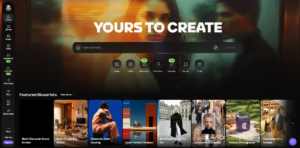
One of its biggest strengths is model training and style consistency. You can generate images that match a specific brand and artistic direction instead of relying on random outputs. It also includes tools like image guidance, real-time canvas editing, texture generation, and upscaling.
People also like: Midjourney vs Leonardo AI for Image Generation
Top Features & Benefits of Leonardo AI
High-Quality Image Generation with Better Control
Leonardo AI produces sharp, detailed, and professional-looking visuals that go far beyond basic AI art tools. You can control style, lighting, texture, composition, and image quality with greater precision, which makes it ideal for commercial use where consistency matters.
Instead of relying on random outputs, you can guide results more accurately. Whether you are creating ad creatives, product designs, or concept art, the platform can help you reduce trial and error. Better control means faster production and fewer revisions, which is a major advantage for creators working on deadlines or client projects.
Custom AI Models for Brand Consistency
One of Leonardo AI’s strongest features is custom model training. You can train models based on specific styles, products, and visual preferences. This is especially useful for businesses and agencies that need consistent branding across multiple campaigns.
Instead of generating different-looking outputs every time, Leonardo AI helps maintain visual identity. With it, you can create repeatable styles for product images, game characters, or marketing visuals, which improves workflow efficiency and reduces manual editing.
Real-Time Canvas Editing for Faster Workflow
Leonardo AI offers a real-time canvas feature that allows you to edit and refine images directly inside the platform. Instead of switching between multiple design tools, you can adjust prompts, details, and image elements instantly. This improves speed and simplifies the workflow.
Designers can test ideas faster and make corrections without starting from scratch. It is especially helpful for agencies and teams managing multiple projects at once. The editing experience feels more practical and professional compared to standard prompt-only generators, which saves time and creates a smoother production process from concept to final output.
Game Asset and Texture Generation
Leonardo AI is highly popular among game developers because of its ability to generate textures, characters, environments, and other game assets. It helps reduce production time by turning simple prompts into usable design elements.
As a developer, you can quickly create concept art and then refine it into production-ready assets, which makes it valuable for indie developers as well as larger studios. Instead of spending days on early-stage design, teams can move faster with AI-assisted creation.
Upscaling and Enhancement for Professional Output
Creating an image is only part of the job, but making it ready for real use matters more. Leonardo AI includes upscaling and enhancement tools that improve image clarity, detail, and final quality. This is important for printing, presentations, websites, and marketing campaigns where resolution matters.
You do not need separate tools for sharpening or improving outputs. Everything can be handled within the same workflow, which saves both time and cost. High-resolution output also increases trust for professional use, making Leonardo AI suitable for businesses that need polished visuals without hiring full-time design teams.
Pros of Leonardo AI
– Excellent Output Quality for Professional Projects
Leonardo AI delivers highly detailed and polished visuals that are suitable for real business use. From ads to product visuals and concept art, the quality feels far more professional than many AI tools available today.
– Strong Customization and Creative Control
Unlike basic prompt generators, Leonardo AI gives you better control over styles, image structure, and consistency. Features like custom models and real-time editing make it easier to achieve the exact result needed for projects.
– Great for Multiple Industries
Leonardo AI works well for marketers, game developers, e-commerce brands, and designers. Its flexibility makes it useful across many industries, which increases its value compared to niche-only AI design platforms.
– Built-In Workflow Efficiency
With editing, upscaling, generation, and refinement all in one place, Leonardo AI reduces the need for multiple software tools. This can help you save time and manage production faster without switching between platforms constantly.
– Helpful Free Plan for Beginners
The platform offers a free plan that allows you to test features before committing to a paid subscription. This is helpful for freelancers and small creators who want to evaluate performance before investing money.
Cons of Leonardo AI
– Learning Curve for New Users
Because Leonardo AI offers many advanced features, beginners may feel overwhelmed at first. Those who are new to AI design tools may need time to understand settings, controls, and optimization techniques for better results.
– Free Plan Has Usage Limits
Although the free version is useful, it comes with daily token limits and restricted access to premium tools. Serious users may quickly outgrow the free plan and need to move to paid subscriptions.
– Results Still Depend on Prompt Quality
Like most AI platforms, output quality depends heavily on how well prompts are written. Poor prompts often produce weak results, so you must learn prompt engineering to get the best possible performance consistently.
– Some Features Need Paid Access
Advanced tools like stronger customization, faster generations, and premium model access are locked behind paid plans. This can be limiting for freelancers or startups who are working with tight budgets and small creative teams.
– Not Ideal for Complete Beginners
Users who are looking for an extremely simple one-click image generation tool may find Leonardo AI too advanced. It is better suited for professionals who want deeper control rather than casual users seeking quick entertainment-based image creation.
Pricing Structure of Leonardo AI
Solo Plans
Free Plan ($0/mo):
- Best For: Casual creators and beginners.
- Core Benefit: 150 daily “Fast Tokens” that reset every 24 hours.
- Limitations: All creations are public; basic quality settings only; 1 personal collection limit.
Essential Plan ($12/mo):
- Best For: Daily hobbyists (included with Canva Business).
- Core Benefit: 8,500 monthly tokens with a 25,500 token bank.
- Key Perks: Private generations, enhanced quality settings, and the ability to train up to 10 personal AI models.
Premium Plan ($30/mo):
- Best For: Semi-professionals and power users.
- Core Benefit: 25,000 monthly tokens and unlimited relaxed image generation (for select models).
- Key Perks: 20 personal AI models and a larger queue for simultaneous tasks.
Ultimate Plan ($60/mo):
- Best For: Professional content producers and small businesses.
- Core Benefit: 60,000 monthly tokens plus unlimited relaxed image and video generation.
- Key Perks: 50 personal AI models and the highest priority queue (6 simultaneous runs).
Team Plans
Teams Starter ($72/mo – $24 per seat):
- Resource Pool: 75,000 shared tokens (25k per seat) with a 225k bank capacity.
- Features: Includes unlimited relaxed image/video generation, unlimited real-time canvas/generation actions, and private team folders.
Teams Growth ($144/mo – $48 per seat):
- Resource Pool: 180,000 shared tokens (60k per seat) with a 540k bank capacity.
- Features: Everything in Starter, plus higher limits for training team-wide AI models and managing massive asset collections.
Custom Plans:
- Best For: Large enterprises requiring tailored token allotments, dedicated support, and specific business workflow integrations.
API Plans
Pay As You Go:
- Cost: No monthly commitment; $5 starting credit.
- Features: Automatic top-ups, access to the latest models (like Phoenix), and up to 10 concurrent generations. Credits do not expire.
API Custom:
- Best For: High-volume production environments.
- Features: Model-based discounts, higher concurrency limits, and dedicated deployment support for long-term scaling.
Quick Comparison Table
| Plan | Price (Monthly) | Best For | Top Feature |
| Free | $0 | Casual you | 150 daily tokens |
| Essential | $12 | Hobbyists | Private generations |
| Premium | $30 | Semi-Pros | Unlimited Relaxed Images |
| Ultimate | $60 | Power you | Unlimited Relaxed Video |
| Teams | From $72 | Studios | Shared token bank |
| API | Usage-based | Developers | Scalable integration |
Competitors of Leonardo AI You Should Check Out
Midjourney
Midjourney is one of the strongest competitors of Leonardo AI, especially for users who are focused on artistic and highly detailed image creation. It is known for producing visually stunning results with strong creative depth.
Designers, artists, and creative professionals often prefer it for concept art, branding visuals, and high-end illustrations. Its strong community and unique artistic style make it a popular choice for serious creators looking for premium-quality outputs and creative flexibility.
What makes it a direct competitor of Leonardo AI: Both platforms focus on high-quality AI image generation for professionals. Midjourney competes directly by offering exceptional artistic output, strong prompt-based creation, and premium visual quality for commercial projects.
Related article: Midjourney Review: Can It Finally Replace Your Graphic Designer?
DALL·E
DALL·E, developed by OpenAI, is another major competitor in the AI image generation space. It is known for understanding complex prompts and generating highly accurate visual results.
DALL·E works especially well for marketers, content creators, and businesses that need fast, clean, and practical images. Its integration with ChatGPT also makes it convenient for you who want text and image creation in one connected workflow.
What makes it a direct competitor of Leonardo AI: Both tools help professionals generate high-quality visuals quickly. DALL·E competes by offering strong prompt understanding, business-friendly output, and a smoother user experience for general commercial content creation.
Related article: DALL-E Review 2026: The Only Image AI That Actually “Thinks.”
Stable Diffusion
Stability AI’s Stable Diffusion is a strong alternative for users who want more freedom and open-source flexibility. It allows deeper customization and local deployment options, which makes it popular among developers and advanced creators.
You can train custom models, run them independently, and modify workflows without platform restrictions. This makes it attractive for technical teams and businesses wanting full control over AI-generated visual production.
What makes it a direct competitor of Leonardo AI: Stable Diffusion directly competes because it offers advanced customization, model training, and professional image generation with greater flexibility for users who prefer full control over their AI systems.
Adobe Firefly
Adobe Firefly is designed for professionals who are already working inside the Adobe ecosystem. It focuses on safe commercial use, design consistency, and integration with tools like Photoshop and Illustrator.
This makes it highly attractive for designers and enterprise users. Its workflow feels familiar for professionals who already depend on Adobe products for daily creative production and client work.
What makes it a direct competitor of Leonardo AI: Both tools target professionals who need reliable, high-quality visuals. Firefly competes strongly through Adobe integration, commercial-safe outputs, and trusted workflow support for serious design teams.
Ideogram
Ideogram has quickly gained attention for its strong text rendering and design-focused outputs. It performs especially well for posters, ads, thumbnails, and social media creatives where text inside images matters.
Many AI image tools struggle with readable typography, but Ideogram handles it far better. This makes it a strong choice for marketers and designers who create content-heavy visuals regularly.
What makes it a direct competitor of Leonardo AI: Ideogram competes directly by offering strong design-focused generation, better text rendering, and practical marketing visuals, making it valuable for creators who prioritize commercial graphic content over pure art generation.
FAQ’s
Is Leonardo AI free to use?
Yes, Leonardo AI offers a free plan with limited daily tokens, allowing you to test core features before upgrading.
Is Leonardo AI better than Midjourney?
It depends on your needs. Leonardo AI offers more workflow control and professional tools, while Midjourney is often preferred for artistic and highly stylized visuals.
Can Leonardo AI be used for commercial projects?
Yes, many professionals use Leonardo AI for ads, branding, product visuals, and client work, depending on their subscription and usage rights.
Who should use Leonardo AI?
It is best for designers, marketers, agencies, game developers, e-commerce brands, and creators who need high-quality professional visuals.
Does Leonardo AI support custom model training?
Yes, one of its strongest features is custom model training, helping you maintain brand consistency and generate repeatable design styles.