Now Reading: Mailchimp vs Brevo: Best Email Marketing Tool Comparison 2026
-
01
Mailchimp vs Brevo: Best Email Marketing Tool Comparison 2026
Mailchimp vs Brevo: Best Email Marketing Tool Comparison 2026


It is not hidden from anyone that choosing the right email marketing tool can directly impact how well you connect with your customers. From newsletters to promotions, email platforms play a key role in digital marketing success. That’s why there is a range of different email marketing tools out there in the market.
And among the many options available, Mailchimp and Brevo are two of the most popular tools that are trusted by businesses of all sizes. Each platform has its strengths and weaknesses, and understanding them is important so that you can choose the right tool for your business.
What is Mailchimp
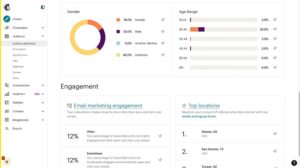
In simple terms, Mailchimp is a widely used email marketing platform that is designed to help you create, send, and analyze email campaigns with ease. It started as an email-focused tool but has grown into an all-in-one marketing platform that offers automation, audience management, landing pages, and basic CRM features.
Mailchimp is especially popular among small to mid-sized teams because of its clean interface and beginner-friendly setup. You can design your emails using drag-and-drop editors, choose from pre-built templates, and track the email performance through detailed analytics.
At the same time, the platform also supports integrations with popular e-commerce platforms and content tools, which makes it easier to manage marketing from one place.
Also Read: Best Mailchimp Alternatives for Email Marketing
What is Brevo
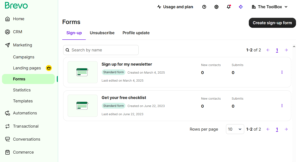
Brevo, formerly known as Sendinblue, is a marketing automation platform that focuses on email, SMS, and multi-channel communication. Unlike many email tools that can charge based on the contact count, Brevo mainly prices its plans based on the emails you send, which makes it appealing for those with large subscriber lists.
It offers email campaign creation, automation workflows, SMS marketing, and basic CRM capabilities. The platform suits businesses that want more control over workflows without paying high costs as their audience grows. At the same time, its interface is simple and slightly more functional, which focuses on performance and flexibility.
Mailchimp Top Features & Benefits
User-Friendly Email Campaign Builder
Mailchimp’s drag-and-drop email builder is one of its biggest strengths. It allows you to create professional-looking emails without any design or coding experience. The pre-designed templates make it easy for you to get started quickly, while customization options allow you to maintain visual consistency.
Mailchimp also offers content blocks for text, images, buttons, and products, which simplifies layout building. At the same time, its editor supports mobile previews, which ensures that your emails look good on all devices. With Mailchimp, you can focus more on messaging and strategy rather than struggling with technical design tools.
Advanced Audience Management
Mailchimp offers strong audience segmentation tools that can help you target the right people with the right message. You can group your contacts based on behavior, purchase history, location, engagement level, and more, which makes your campaigns more personalized and effective.
Not only that, but its tags and custom fields can further improve your contact organization. Better segmentation can lead to higher open rates, improved click-through rates, and stronger customer relationships.
For businesses that are running multiple campaigns or are serving different customer groups, Mailchimp’s audience management tool can provide more clarity and control.
Marketing Automation Workflows
Mailchimp provides automation features that can help you communicate with customers at the right moment. You can set up welcome emails, cart reminders, follow-ups, and re-engagement campaigns with minimal effort. These workflows can run automatically based on user actions, which can save time and improve consistency.
This automation can help you maintain regular communication without manual work. While Mailchimp’s automation is powerful, it remains easy to understand for non-technical users.
Detailed Analytics and Reporting
Mailchimp offers in-depth analytics to track the performance of email campaigns. You can view open rates, click rates, conversions, and audience engagement data in clean dashboards. These insights can help you understand what works and what needs improvement in your campaign.
These reports also highlight your best-performing email and audience segments. With this data, you can easily refine subject lines, content, and sending times.
Wide Range of Integrations
Mailchimp can integrate seamlessly with many other popular platforms, including e-commerce tools, CRM systems, social media platforms, and website builders. These integrations can help you sync customer data, track behavior, and automate marketing tasks across different channels.
Not only that, but this connected ecosystem can also reduce manual work and improve your overall workflow efficiency. For online stores, this integration enables product recommendations and purchase-based campaigns.
Brevo Top Features & Benefits
Cost-Effective Email Pricing Model
Brevo’s pricing model is one of its biggest advantages. Instead of charging based on the number of contacts you have, Brevo charges based on the number of emails you send to your customers. This makes it more affordable for those businesses that have a large email list but a moderate sending schedule.
You can grow your audience without worrying about sudden cost increases. This pricing flexibility is especially useful for startups and scaling businesses, as it allows better budget control while still offering professional email marketing features.
Powerful Marketing Automation
Brevo offers advanced automation tools that can help you build detailed customer journeys. You can create workflows based on user actions like email opens, link clicks, purchases, and website visits. These workflows can support email and SMS, which can enable multi-channel engagement.
At the same time, automation can also help deliver timely, relevant messages without manual effort. Brevo’s visual workflow builder is also flexible and suitable for complex campaigns, which makes it a strong choice for those who rely heavily on automation to nurture leads.
Multi-Channel Communication
Brevo goes beyond email by offering SMS marketing, transactional messages, and chat features within one platform. This allows you to reach your customers through multiple channels using a single tool.
Having email and SMS together can improve communication consistency and response rates. This multi-channel approach can also help your brands tostay connected with your audience at different touchpoints, which makes it a suitable choice for a range of different businesses.
Reliable Email Deliverability
Brevo is known for its strong email deliverability, which ensures that messages reach inboxes instead of spam folders. The platform uses optimized sending infrastructure and compliance tools that can maintain sender reputation. Features like authentication support and real-time monitoring can also help improve delivery rates.
High deliverability means better visibility, higher open rates, and improved campaign performance. For businesses where email reliability is critical, Brevo can be a solid choice.
Built-In CRM and Contact Management
Brevo includes a lightweight CRM that can help you manage contacts and track interactions. You can store customer details, monitor engagement history, and segment audiences easily. This built-in CRM can significantly reduce the need for separate tools, which in turn simplifies marketing operations.
It also supports better personalization and follow-ups by keeping all customer data in one place. For small to mid-sized teams, Brevo’s CRM features can provide enough functionality to manage relationships without added complexity or cost.
Pros and Cons of Mailchimp
Pros
User-Friendly Interface: Mailchimp offers a clean dashboard that can make email creation, list management, and campaign tracking easy, even for compete beginners with no prior email marketing experience.
High-Quality Email Templates: The platform provides a wide range of professionally designed templates that can help you create visually appealing emails quickly without needing design or coding skills.
Strong Analytics and Reporting: Mailchimp provides detailed insights such as open rates, click-through rates, and audience behavior, which can allow you to measure performance and improve future campaigns.
Extensive Integrations: Mailchimp can integrate smoothly with many third-party tools like CRMs, e-commerce platforms, and social media apps, which makes it easier to manage marketing activities from one ecosystem.
Reliable Deliverability: Mailchimp has a strong sending reputation, which can help your email to land in inboxes rather than spam folder, which is crucial for campaign success.
Cons
Expensive as Lists Grow: Mailchimp’s pricing increases significantly as your subscriber counts rise, which can become costly for growing businesses with large and expanding email lists.
Limited Automation on Lower Plans: Mailchimp’s advanced automation features are restricted to higher-tier plans, which can limit smaller businesses that want sophisticated workflows without upgrading to expensive subscriptions.
Contact-Based Pricing Model: You are charged based on the stored contacts rather than the emails you sent, which means even inactive and unsubscribed contacts can still increase your overall costs unnecessarily.
Less Flexible Automation Logic: If compared to competitors, Mailchimp’s automation workflows can feel slightly rigid and less customizable for businesses that need complex, behavior-based email journeys.
Support Limitations on Free Plan: Live chat and priority support are not available on lower plans, which can be frustrating for those who need quick assistance during campaigns.
Pros and Cons of Brevo
Pros
Email Volume-Based Pricing: Brevo charges based on the emails you sent rather than contact count, which makes it a more affordable and scalable option for those with large and frequently changing subscriber lists.
Advanced Automation Capabilities: The platform supports detailed automation workflows using user behavior, events, and triggers, which allows more personalized and effective email marketing strategies.
Multi-Channel Marketing Support: Brevo enables email, SMS, WhatsApp, and transactional messaging from one dashboard, which can help you manage customer communication across multiple channels efficiently.
Built-In CRM System: Its integrated CRM can help you track contacts, manage pipelines, and centralize customer data without needing additional third-party CRM software.
Strong Deliverability Focus: Brevo emphasizes that sender reputation, authentication, and compliance tools can improve inbox placement and help you maintain consistent email performance.
Cons
Limited Design Flexibility: Brevo’s email editor and templates are more basic, which may feel restrictive for those who prioritize advanced design customization and visual creativity.
Smaller Integration Ecosystem: Compared to Mailchimp, Brevo offers fewer native integrations, and sometimes can also require manual setups or third-party tools to connect with other platforms.
Reporting Feels Basic: Brevo’s analytics are okay but less detailed, and offers fewer visual insights and advanced reporting options. It can be seen restrictive for those who rely heavily on in-depth performance analysis.
Learning Curve for Automation: Brevo’s automation feature as a whole can feel complex for beginners to understand and may require time to fully understand and use effectively.
Interface Feels Less Polished: The dashboard of Brevo prioritizes functionality over aesthetics, which some users may find less intuitive or visually refined compared to Mailchimp.
Related Article: Best Email Marketing Tools for Startups
Mailchimp vs Brevo: Which Email Marketing Tool is Better?
Mailchimp and Brevo both serve different types of users, which makes the better choice depend on your business needs. Mailchimp can be considered ideal for those who want an easy setup, strong design tools, and a familiar interface. That’s why it’s primarily opted for by many small businesses that are focused on branded email campaigns and simple automation.
Brevo, on the other hand, suits businesses that need cost control, advanced automation, and multi-channel communication. Its email-volume-based pricing makes it more flexible for growing contact lists.
Conclusion
Choosing between Mailchimp and Brevo comes down to how you plan to use email marketing. It’s best to understand that both tools are reliable and powerful, but they serve different goals. And by understanding your budget, team skills, and marketing strategy, you can confidently choose the platform that supports your long-term growth and communication needs.
And to solve this very issue, we’ve covered Mailchimp and Brevo in depth, so you can choose what’s best for you with ease.
FAQ’s
- Is Mailchimp better than Brevo for beginners?
Yes, Mailchimp is generally easier for beginners to start with because of its simple interface.
- Does Brevo support SMS marketing?
Yes, Brevo offers SMS and transactional messaging features.
- Which tool is more affordable for large email lists?
Brevo is more cost-effective because it charges based on the emails you send.
- Can both tools handle automation?
Yes, both tools support automation.
- Are Mailchimp and Brevo suitable for small businesses?
Yes, both are suitable, depending on your budget and feature requirements.