

Now Reading: Best SEO Tools for Beginners
-
01
Best SEO Tools for Beginners

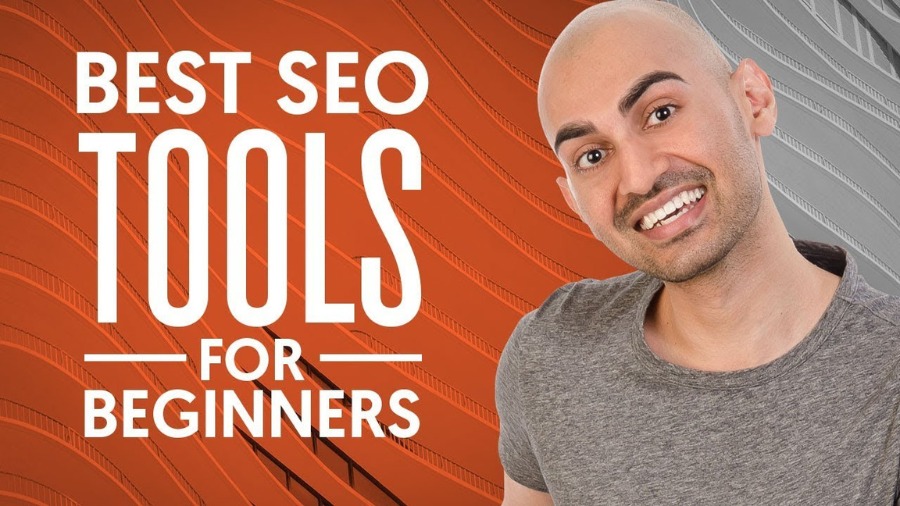
There is no doubt that SEO can feel overwhelming for beginners. This is where the right SEO tools can make a big difference. Instead of guessing what Google wants, these tools can help you understand what type of content users want. On top of that, with SEO tools, you can even analyze your competitor which can help you get an upper hand.
However, because the market is full of SEO tools, it can be challenging for many individuals, especially beginners, to find the best SEO tool. If you are also one of those, then don’t worry, because in this guide, we will share with you some of the best SEO tools for beginners so that you can choose the best in the market.
What Are SEO Tools and Why Are They Important?
In simple terms, SEO tools are software platforms that are designed to help you understand how search engines work and how your site performs in search results. These tools collect, analyze, and present data related to keywords, backlinks, competitors, technical health, and user behavior.
With these tools, instead of relying on assumptions, you can get a clear insight into what people are searching for, what your website needs, and how your competitors are performing.
Without these tools, you would never know which keywords you should target to rank, why your pages aren’t ranking, and how your competitors are attracting traffic.
The best thing about these tools is that they save you a lot of time. Tasks that can take weeks manually, like analyzing backlinks and tracking ranking changes, can be done in minutes.
What Makes a Good SEO Tool?
A good SEO tool for beginners should prioritize clarity and guidance. The interface must be easy to understand, with clear dashboards and explanations instead of overwhelming charts. Beginner-friendly tools also convert data into simple insights, telling you why something matters and what to do next.
Accuracy, on the other hand, is another important and key factor. Without accurate data, an SEO tool would have no value, no matter how easy its interface is.
What feature does a tool offers also matters, like keyword difficulty scores, content recommendations, and site audits, which can help beginners understand SEO fundamentals while using the tool.
1. SEMrush
SEMrush is one of the best SEO tool available in the industry and is often considered an industry standard. It combines keyword research, competitor analysis, site audits, backlink tracking, and content optimization in one dashboard. That’s why, for beginners, SEMrush stands out.
It also offers features like keyword difficulty, SEO writing assistant, and site health scores, which can help you understand where to focus first. While it’s a powerful tool that is primarily used by many agencies and SEO professionals, its guided reports and structured layout also make it surprisingly accessible for newcomers.
What Makes SEMrush Unique?
SEMrush’s biggest strength is its accurate data. Beginners can trust it and get to know which keywords competitors rank for, where their backlinks come from, and what content performs best. The platform also offers clear task-based insights, such as on-page SEO suggestions and technical fixes, which turn complex SEO processes into a step-by-step process.
Pros
- All-in-one SEO toolkit.
- Strong competitor research features.
- Clear keyword difficulty metrics.
- Helpful site audit recommendations.
- Regular data updates.
Cons
- Higher pricing for beginners.
- Interface can feel dense at first.
- Limited features on lower plans.
- Learning curve for advanced tools.
- Credit-based usage limit.
Who Is SEMrush Best Suited For?
SEMrush is best for those beginners who are serious about learning SEO properly and want one tool to handle all the fundamental SEO metrics in one platform.
2. Ahrefs
Ahrefs is widely known for its powerful backlink analysis and accurate keyword data. While it’s often used by advanced SEO professionals, as a beginner, you can also benefit from its clean interface and reliable metrics.
Ahrefs can help you understand how websites earn rankings through links, content depth, and keyword relevance. On top of that, its Site Explorer and Keywords Explorer tools are especially useful for learning how your competitors are building authority.
What Makes Ahrefs Unique?
Ahrefs excels in backlink data. You can clearly see which websites link to your competitors and why those links matter in helping them stay ahead. Its keyword data is also known for accuracy, which can help you get to know the exact queries that are in demand.
Pros
- Industry-leading backlink data.
- Clean, fast interface.
- Reliable keyword metrics.
- Strong competitor insights.
- High-quality crawling system.
Cons
- No free trial.
- Limited guided recommendations.
- Pricing may feel high for beginners.
- Fewer content-writing aids.
- Less beginner-focused tutorials.
Who Is Ahrefs Best Suited For?
Ahrefs is ideal for those who are especially interested in backlinks and competitor research.
3. Similarweb
Similarweb focuses on traffic, rather than traditional SEO alone. It can help you understand where website traffic comes from, including search, social, referrals, and paid channels. This broader view is useful for learning how SEO fits into overall digital marketing.
As a beginner, you can analyze your competitors’ traffic sources, top pages, and audience behavior without deep technical knowledge. While it doesn’t replace a full SEO tool, Similarweb can be valuable if you are looking for something beyond just keywords.
What Makes Similarweb Unique?
Similarweb stands out for its market-level insights. Instead of focusing only on rankings, it shows traffic trends, audience interests, and channel performance. This can be key for you to understand how SEO interacts with content, ads, and social media, which makes it a strong tool for strategic learning, rather than technical optimization.
Pros
- Easy-to-understand traffic insights.
- Strong competitor comparisons.
- Multi-channel data visibility.
- Useful for market research.
- Clean visual reports.
Cons
- Limited keyword depth.
- Less technical SEO focus.
- Data accuracy varies on small sites.
- Restricted free version.
- Not a full SEO suite.
Who Is Similarweb Best Suited For?
Similarweb is best for those who want a high-level view of their competitors’ traffic and marketing strategies.
4. Google Trends
Google Trends is a free tool that shows how search interest changes over time. For beginners, it’s one of the easiest and most accurate ways to understand what people are currently searching for and how the demand for new trends and quesries are evolving.
Instead of giving keyword difficulty scores, it focuses on popularity and seasonality. This makes it especially useful for content planning, topic validation, and trend spotting. Since the data comes directly from Google, you can count it as the most reliable data you can get from any tool.
What Makes Google TrendsUnique?
Google Trends is unique because it reveals users’ search behavior over time, not just numbers. As a beginner, you can compare topics, spot rising trends, and avoid declining keywords. Overall, it’s excellent for timing content correctly and understanding regional interest.
Pros
- Completely free.
- Data from Google.
- Great for trend analysis.
- Simple and intuitive.
- Useful for content planning.
Cons
- No keyword difficulty data.
- No real SEO metrics.
- Not competitor-focused.
- No backlink insights.
- Requires interpretation.
Who Is Google Trends Best Suited For?
Google Trends is best for those who want to validate their content ideas and understand search demand before finalizing their content strategy.
5. AirOps
AirOps is a newer AI-powered platform that is designed to help you scale your SEO content and workflows. It focuses on automating research, content creation, and optimization processes using structured prompts and data connections.
For beginners, AirOps can significantly reduce manual effort by turning SEO tasks into repeatable systems. It’s also worth noticing that, while it’s not a traditional SEO tool like SEMrush, it can be useful for learning how AI can support SEO.
What Makes AirOps Unique?
AirOps is unique for its workflow-based AI approach. Instead of just other features, it can help you build SEO strategies by combining keyword data, content briefs, and optimization steps. As a beginner, you can benefit from automation that can remove repetitive tasks.
Pros
- AI-driven SEO workflows.
- Saves time on content tasks.
- Scalable systems approach.
- Integrates with data sources.
- Modern interface.
Cons
- Not a full SEO suite.
- Limited traditional SEO metrics.
- Requires setup time.
- Less beginner tutorials.
- Best with existing SEO knowledge.
Who Is AirOps Best Suited For?
AirOps is best for those who are focused on content-driven SEO and want to use AI for efficiency.
6. Keyword Everywhere
Keyword Everywhere is a lightweight SEO browser extension that can show you keyword data directly inside Google search results. Instead of opening multiple tools and dashboard, you can instantly see search volume, competition, and cost-per-click while browsing.
This makes keyword research feel natural and less overwhelming. It works across Google, YouTube, Amazon, and other search engines, which can help you understand the demand for specific keywords and queries. While it doesn’t offer deep audits and backlink analysis, its simplicity is its biggest strength.
What Makes Keyword Everywhere Unique?
Keyword Everywhere is unique because it integrates SEO data into everyday browsing. You don’t need to open any tool and dashboards, as all the keyword insights can appear directly whenever you search for anything.
Pros
- Very easy to use.
- Works directly in search results.
- Affordable credit-based pricing.
- Supports multiple platforms.
- Fast keyword insights.
Cons
- Limited advanced SEO features.
- No site audits.
- No backlink analysis.
- Depends on browser extensions.
- Less useful for large sites.
Who Is Keyword Everywhere Best Suited For?
Keyword Everywhere is best for those who want quick keyword insights about keywrods at a glance regularly and want simplicity over depth.
7. Surfer
Surfer is a content-focused SEO tool that is designed to help pages rank better through on-page optimization. It analyzes top-ranking pages and provides clear recommendations on word count, headings, keywords, and structure.
For beginners, it simplifies content SEO by showing exactly what successful pages are doing right to stand out. Instead of guessing how to optimize content, you can simply get data-backed guidance. While it doesn’t replace full SEO platforms, it can be a better companion for you to improve content quality and relevance.
What Makes Surfer Unique?
Surfer stands out for its real-time content optimization. You can write and edit content while seeing live SEO recommendations based on your competitors’s strenght.
Pros
- Clear on-page SEO guidance.
- Real-time content editor.
- Data-driven recommendations.
- Easy to learn.
- Strong SERP analysis.
Cons
- Limited technical SEO features.
- Requires keyword input from other tools.
- Pricing may feel high.
- Focused mainly on content.
- Less backlink analysis.
Who Is Surfer Best Suited For?
Surfer is best for those who are focused on content creation and on-page SEO and want practical guidance to improve rankings.
8. AnswerThePublic
AnswerThePublic is a keyword research tool that can give you real search questions people are searching online. Instead of traditional keyword lists, it groups a range of different queries into questions, comparisons, and prepositions in a cycle.
For beginners, it can make search intent easy to understand and is especially useful for finding blog topics, FAQs, and content outlines. While it doesn’t provide deep SEO metrics, it works best if you use it for idea generation and intent-based research.
What Makes AnswerThePublic Unique?
AnswerThePublic is unique for its question-focused approach. You can instantly see what users want to know, which can help you create helpful, intent-matched content.
Pros
- Excellent for content ideas.
- Easy to understand visuals.
- Strong search intent insights.
- Quick topic discovery.
- Beginner-friendly interface.
Cons
- Limited keyword metrics
- Fewer searches on the free version.
- No backlink data.
- Not a full SEO tool.
- Requires pairing with others.
Who Is AnswerThePublic Best Suited For?
AnswerThePublic is best for for tbose who are focused on content planning and user intent.
Conclusion
Choosing the right SEO tool as a beginner is about using the tool that can teach you SEO while delivering results. Keep in mind that the best approach is often a combination of different ideal SEO platforms, not just using one excessively. With the right setup, you can build your confidence and learn valuable skills that can help you stay ahead in the SEO industry.
Above, we’ve mentioned some of the best SEO tools you can use as a beginner, along with their pros and cons, so that you can choose the tool tailored to your needs.
FAQ’s
- What is the best SEO tool for complete beginners?
SEMrush can be great for complete beginners.
- Are free SEO tools enough for beginners?
Most of the time, it can, but not always.
- Do I need all SEO tools at once?
No, just choose what suits your needs the best.
- Which SEO tool is best for content creation?
Surfer and AnswerThePublic are excellent for content-focused SEO beginners.
- How long does it take to learn SEO using these tools?
With consistent use, you can get a strong hold on core SEO concepts within a few weeks.












Pingback: Yoast SEO vs Rank Math: Which WordPress SEO Plugin Is Better?